
-
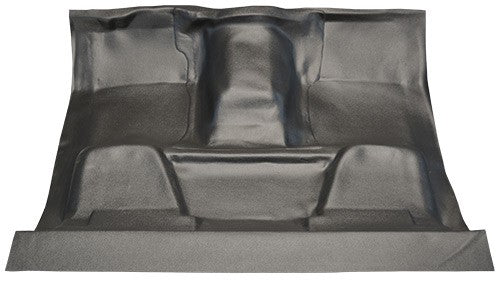
1973-1974 Chevy C20 Pickup Reg Cab 2WD Auto 400 Column Molded Vinyl Flooring - 1-Piece
Regular price $274.59Regular priceUnit price per$343.24Sale price $274.59Sale -
1975-1980 Chevrolet C20 Crew Cab 2WD 4spd Floor Shift Molded Vinyl Flooring - 2-Piece
Regular price $360.94Regular priceUnit price per$451.18Sale price $360.94Sale -
1973-1974 Chevy C20 Pickup Crew Cab 2WD 4spd Floor Molded Vinyl Flooring - 2-Piece
Regular price $360.94Regular priceUnit price per$451.18Sale price $360.94Sale -
1975-1980 Chevy C20 Crew Cab 2WD Auto/3spd Column Molded Vinyl Flooring - 2-Piece
Regular price $360.94Regular priceUnit price per$451.18Sale price $360.94Sale -
1973-1974 Chevy C20 Crew Cab 2WD Auto/3spd Column Molded Vinyl Flooring - 2-Piece
Regular price $360.94Regular priceUnit price per$451.18Sale price $360.94Sale -
1969-1972 Chevrolet C20 Pickup Loop Molded Gas Tank Cover - 1-Piece
Regular price $149.20Regular priceUnit price per$186.50Sale price $149.20Sale -

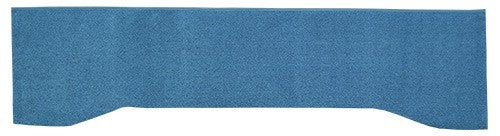
1967-1972 Chevy C20 Pickup Reg Cab w/o Gas Tank Loop Rear Cab Wall Replacement Carpet Kit - 1-Piece
Regular price $108.44Regular priceUnit price per$135.55Sale price $108.44Sale -
1975-1980 Chevrolet C20 Reg Cab 2WD 4spd Floor Shift Molded Vinyl Flooring - 1-Piece
Regular price $274.59Regular priceUnit price per$343.24Sale price $274.59Sale -
1975-1980 Chevy C20 Reg Cab 2WD Auto/3spd Column Shift Molded Vinyl Flooring - 1-Piece
Regular price $274.59Regular priceUnit price per$343.24Sale price $274.59Sale -
1973-1974 Chevy C20 Pickup Reg Cab 2WD 4spd Floor Molded Vinyl Flooring - 1-Piece
Regular price $274.59Regular priceUnit price per$343.24Sale price $274.59Sale -
1973-1974 Chevy C20 Reg Cab 2WD Auto/3spd Column Molded Vinyl Flooring - 1-Piece
Regular price $274.59Regular priceUnit price per$343.24Sale price $274.59Sale -
1975-1986 Chevrolet C20 Reg Cab Cutpile Rear Cab Wall Replacement Carpet Kit - 1-Piece
Regular price $117.86Regular priceUnit price per$147.33Sale price $117.86Sale -
1974 Chevrolet C20 Pickup Reg Cab Cutpile Rear Cab Wall Replacement Carpet Kit - 1-Piece
Regular price $117.86Regular priceUnit price per$147.33Sale price $117.86Sale -
1973 Chevrolet C20 Pickup Reg Cab Loop Rear Cab Wall Replacement Carpet Kit - 1-Piece
Regular price $125.56Regular priceUnit price per$156.95Sale price $125.56Sale -
1974 Chevrolet C20 Suburban 2WD Auto Cutpile Passenger Area Replacement Carpet Kit - 2-Piece
Regular price From $374.88Regular priceUnit price per$468.60Sale price From $374.88Sale -
1974 Chevrolet C20 Suburban 2WD Auto Complete Cutpile Molded Replacement Carpet Kit - 5-Piece
Regular price From $584.23Regular priceUnit price per$730.29Sale price From $584.23Sale -
1973 Chevrolet C20 Suburban Loop Cargo Area Replacement Carpet Kit - 3-Piece
Regular price From $305.03Regular priceUnit price per$381.29Sale price From $305.03Sale -
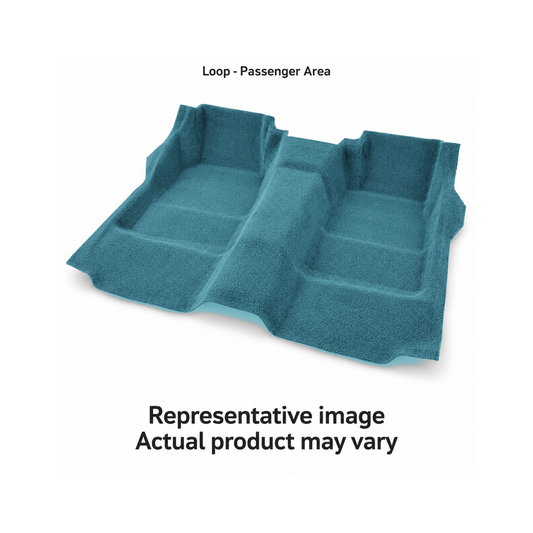
1973 Chevrolet C20 Suburban 2WD Auto Loop Passenger Area Replacement Carpet Kit - 2-Piece
Regular price From $390.33Regular priceUnit price per$487.92Sale price From $390.33Sale -
1973 Chevrolet C20 Suburban 2WD Auto Complete Loop Molded Replacement Carpet Kit - 5-Piece
Regular price From $630.52Regular priceUnit price per$788.15Sale price From $630.52Sale -
1973 Chevrolet C20 Suburban 2WD 4spd Pass Area Loop Molded Replacement Carpet Kit - 2-Piece
Regular price From $390.33Regular priceUnit price per$487.92Sale price From $390.33Sale -
1967-1972 Chevrolet C20 Suburban Loop Cargo Area Replacement Carpet Kit - 4-Piece
Regular price From $374.88Regular priceUnit price per$468.60Sale price From $374.88Sale -
1967-1972 Chevrolet C20 Suburban Loop Door Panel Front Inserts w/ Cardboard - 2-Piece
Regular price $90.89Regular priceUnit price per$113.62Sale price $90.89Sale -
1967-1972 Chevy C20 Suburban 2WD Auto 400 Trans Column Loop Pass Area Replacement Carpet Kit - 2-Piece
Regular price From $405.74Regular priceUnit price per$507.18Sale price From $405.74Sale -


1967-1972 Chevy C20 Suburban 2WD Auto/3spd Column Loop Pass Area Replacement Carpet Kit - 2-Piece
Regular price From $405.74Regular priceUnit price per$507.18Sale price From $405.74Sale




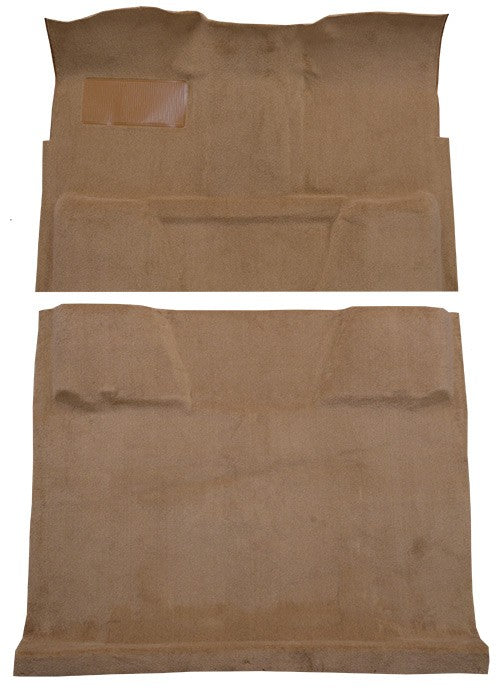




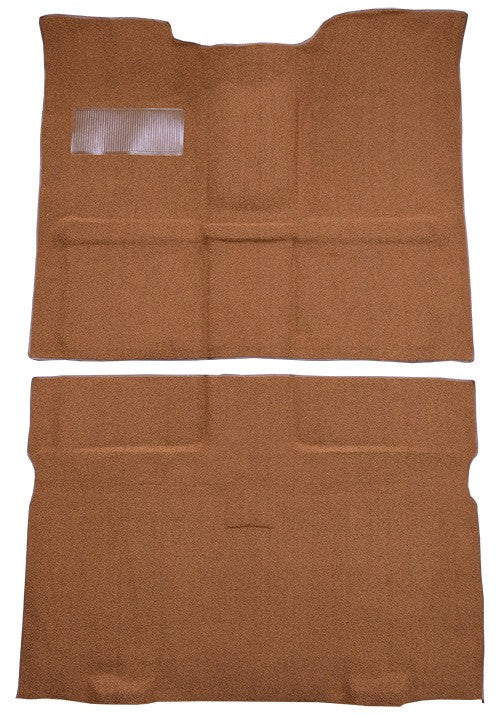


Chevrolet C20 Replacement Carpet for Classic Regular and Crew Cabs
A C20 interior project can involve a single-row regular cab or a larger crew cab, and the carpet needs to be selected for that distinction. The ACC applications in this collection also identify year groups, transmission and shift arrangements, tank configurations and particular tunnel descriptions. Radiant Speed Works brings these products together so you can compare the floor specification before choosing a finish.
Regular-cab products reviewed here generally identify one-piece carpet, while the crew-cab products identify two pieces with their own coverage notes. That count helps describe the supplied product but should not be used as a substitute for reading its application. Some crew-cab notes expressly limit the package to passenger-area coverage. Start with the truck and the surfaces being restored, then compare the actual listing.
Begin with cab style and the current floor
Record the year, regular or crew cab, two-wheel drive, transmission and shifter location. For the 1967–1972 products, include the tank and tunnel wording. Describe any relevant changes to the floor, drivetrain or seating. A truck with a transmission swap or relocated tank may need more assessment than its original build information suggests.
Keep the full application when sharing the selection with an installer. A product link paired with the current cab and floor details is more useful than a request for C20 carpet in a particular color. The application determines which product should be considered; the finish is selected afterward from the options offered on that product.
1960–1966 C20 regular-cab column-shift carpet
The early regular-cab 2WD automatic/three-speed column-shift application identifies one-piece molded Loop carpet. Its ACC note states that it covers the full floor of the cab, and the fitment note says it will fit with or without the gas tank. Keep those statements with this specific year and transmission application.
If you are restoring a 1964 C20 with the described column-shift arrangement, compare the current truck with the complete listing before reviewing the finish. The early tank note should not be carried into later tank-specific products by assumption. Modified controls or a changed floor should still be described even when the gas tank position is covered by the stated note.
1960–1966 C20 four-speed floor-shift carpet
A separate four-speed floor-shift product covers the early regular-cab 2WD range. It also identifies one-piece molded Loop material, full cab-floor coverage and fitment with or without the gas tank. The shared tank note does not remove the transmission distinction from the column-shift application.
Record the installed shifter and any tunnel work when comparing this product. A transmission conversion should be discussed in terms of the current floor and controls rather than only the new transmission name. Establish the application before making a color decision and before expecting an existing opening in old carpet to determine how the new material should be fitted.
1967–1972 C20 four-speed with-tank applications
The 1967–1972 regular-cab 2WD group includes a four-speed floor-shift Loop product with tank wording. Keep that description with the product when considering carpet for a truck retaining the named tank configuration. A shared model year does not establish that every item in this group addresses the same floor or rear coverage.
For a 1971 C20 four-speed carpet project, document the current behind-seat area as well as the tunnel. If the tank has been relocated or the floor changed, explain that when asking which application to use. Do not choose only by the preferred color or a similar-looking photograph while leaving the tank configuration unresolved.
1967–1972 C20 without-tank floor coverage
The four-speed without-tank listing carries an ACC note stating that the carpet goes to the back wall but not up the wall. The without-tank Auto 400 products reviewed here also use that coverage boundary. It is particularly useful when planning the appearance of the cab after a tank relocation.
If a back-wall treatment is part of the project, list it separately from floor carpet. Reaching the back wall is not the same as supplying material to cover the wall. Compare the named surfaces before assuming the chosen kit completes every area behind the seat. Ask about any additional coverage required for the intended finished interior.
1967–1972 C20 Auto 400 high- and low-tunnel products
This C20 group includes separately titled Auto 400 high- and low-tunnel applications, with both with-tank and without-tank descriptions represented. The low-tunnel product details expressly identify that floor configuration. The high-tunnel products have their own descriptions, including the original 400 high-tunnel note. Do not flatten these choices into a single automatic carpet application.
The practical step is to compare the truck's current floor with the exact candidate product. Transmission name and column-shift wording alone leave the tunnel distinction unresolved. If the floor history is uncertain, provide clear photographs and explain what is known about any changes. Resolve the question before ordering rather than expecting installation trimming to substitute for the correct application.
1973 C20 regular-cab Loop carpet
The 1973 regular-cab 2WD range identifies Loop products for four-speed floor shift, automatic/three-speed column shift and Auto 400 column shift. These products use one-piece descriptions, and the Auto 400 application carries the high-tunnel note. Keep the transmission and tunnel information together when narrowing the order.
Several notes also say that the carpet covers as the original does and door sills are required to cover the sides as originally intended. Include the sill area in the restoration inventory. Missing or damaged trim should be addressed as part of the interior plan rather than assuming fresh carpet replaces the role of those components.
1974 C20 regular-cab Cutpile products
The 1974 regular-cab products identify Cutpile instead of the Loop wording used in the listed 1973 group. They distinguish four-speed floor shift, automatic/three-speed column shift and Auto 400 column applications. The Auto 400 note identifies the original high tunnel. Read each complete application before comparing the offered finish.
For a 1974 C20 replacement carpet search, the year gets you into the appropriate group, but the transmission still narrows the choice. Respect the stated material and options rather than carrying an earlier texture forward automatically. Relevant changes to the controls or floor should be explained before choosing a standard application.
1975–1980 C20 regular-cab flooring
The 1975–1980 regular-cab 2WD products include separate four-speed floor-shift, automatic/three-speed column-shift and Auto 400 column-shift applications. They identify one-piece molded Cutpile carpet. Compare the full transmission description, including the Auto 400 high-tunnel note where stated, before selecting the available configuration.
A truck used for regular work and one undergoing a detailed restoration can start from the same application check. The intended appearance may lead to different color choices, but it does not change the floor pattern needed. Check the current cab, controls and retained trim so the selected product addresses the actual vehicle.
1981–1986 C20 regular-cab carpet
The later regular-cab range separates four-speed floor shift from automatic/three-speed column shift for 1981–1986 2WD trucks. Both are one-piece molded Cutpile descriptions. Keep that stated ending year instead of extending the application to another truck because the exterior or dashboard seems similar.
The product notes again identify original-style coverage and the need for door sills at the sides. Assess those surrounding parts before installation. If a truck has had a different shifter or tunnel fitted, preserve that information in the application discussion. Matching the year and badge alone may not settle a modified floor.
1973 C20 crew-cab passenger-area kits
The crew-cab group begins here with 1973 2WD four-speed floor-shift and automatic/three-speed column-shift Loop products. These are described as two pieces and carry passenger-area-only wording. That is an important coverage limit, particularly when the rear cabin is also being restored.
Do not treat the additional piece as proof of complete wall-to-wall coverage throughout every crew-cab surface. Compare the actual package and ask about any area beyond the stated passenger scope. Keep regular-cab and crew-cab applications separate even where years and transmission descriptions overlap. Piece count cannot replace the named cab application.
1974 C20 crew-cab Cutpile carpet
Separate 1974 crew-cab 2WD Cutpile listings cover four-speed floor shift and automatic/three-speed column shift. Their two-piece packages carry passenger-area-only notes, together with original-style coverage and door-sill information. Use those descriptions to define the work the kit is intended to address.
For a crew cab with changed rear seating or storage arrangements, explain the current interior before choosing the product. A standard application is not a custom pattern for every added platform or removed component. Distinguish the named floor coverage from other interior work that may need separate material or fabrication.
1975–1980 C20 crew-cab transmission choices
The 1975–1980 crew-cab Cutpile group includes four-speed floor-shift, automatic/three-speed column-shift and Auto 400 column-shift listings. They use two-piece descriptions. The standard floor- and column-shift products carry passenger-area-only wording, while the Auto 400 product has its own high-tunnel and original-style coverage notes.
Read each chosen item's contents independently instead of adding missing statements from an adjacent product. If rear coverage is central to the order, confirm it directly for the actual package. A shared cab and year range does not establish that every listing uses identical descriptive notes or supplies every surface needed for the planned restoration.
1981–1986 crew-cab coverage needs special attention
The later crew-cab products identify automatic/three-speed column shift and four-speed floor shift as separate two-piece Cutpile applications. Both use passenger-area-only wording. The four-speed product also has a fitment note stating that the mat does not go to the rear wall. Preserve that specific limit when planning the rear interior.
For a 1985 C20 crew-cab carpet project, clarify which surfaces need replacement before ordering. If the goal includes the area all the way to the rear wall, ask about that requirement instead of assuming this package supplies it. The application and its coverage boundary should agree with the installation plan.
Door sills and retained interior trim
Many C20 notes state that door sills are required to cover the carpet sides as originally intended. Check their presence and condition alongside the flooring order. Photograph how the old material meets the sill and surrounding panels before removal so the finishing relationship remains clear.
Keep useful hardware and trim organized. If an earlier owner cut the carpet differently or omitted a component, that old arrangement should not override the new product's instructions. Establish how the selected application is intended to finish rather than expecting the carpet alone to replace every missing edge component.
Loop, Cutpile, color and backing
The earlier groups reviewed here use Loop descriptions, while the listed 1974 and later groups use Cutpile. Treat material as part of the selected product specification. Compare it with retained seating and panels, then choose from the actual options offered for the matching application.
Keep color code and name together, and ask about suitable references when a close match matters. Screen images can help narrow a choice without establishing an exact shade beside old trim. Review the selected product's backing and attached-padding information separately from any planned additional insulation. Those construction choices do not change cab, transmission or tunnel fitment.
Preparing and fitting classic C20 carpet
Inspect the exposed floor for damage, dampness and water-entry evidence before covering it. Arrange appropriate repairs and surface preparation. Fresh carpet cannot fix corrosion or a continuing leak. Follow vehicle-specific service procedures for seats, belts and related components, or use a qualified installer for that work.
At delivery, compare the package identification and selected configuration with the order. Follow the supplied handling directions and establish orientation through trial placement before making openings or trimming edges. Product descriptions note that some trimming may be needed. If a contour or coverage limit raises a question, pause and provide clear details before irreversible fitting work.
Compare two C20 applications in a useful order
When several candidates appear similar, compare years first, then cab, drivetrain, transmission, shift location and any tank or tunnel wording. Only after those details align should the finish influence the decision. This avoids a common problem in a large classic-truck category: two products share a material and piece count, but address different floor configurations.
For the 1967–1972 Auto 400 group, keep high or low tunnel visible along with with-tank or without-tank wording. For a later crew cab, retain the passenger-area note and any rear-wall limit. These details belong in a shop's purchasing notes, not just in the original search. Share the full product link so the installer can review the same specification.
Keep an inventory for a crew-cab restoration
A larger cabin can involve several different surfaces, and the main floor order should be tied to a clear coverage list. Mark which areas will receive new carpet, which will retain usable material and which need another treatment. Compare that inventory with the selected kit's actual description before adding separate pieces or assuming the two-piece package completes the entire rear interior.
For a truck with an uncertain history, record what is known about prior changes and provide photographs of the relevant area. A removed seat, altered rear platform or changed tunnel can introduce questions beyond standard fitment. Resolve those details while the product remains unaltered. If the project changes after selection, review the application again before installation cuts begin.
Save the final vehicle specification, finish selection and order confirmation together. That record helps keep the owner, purchaser and installer working from the same application, particularly when the restoration spans several stages or separate interior purchases.
C20 replacement carpet questions
Does a two-piece crew-cab kit cover every rear surface?
Do not assume that from the count. Several crew-cab products expressly identify passenger-area-only coverage, and the 1981–1986 four-speed product says it does not go to the rear wall. Check the chosen package against the surfaces you want to renew.
Are Auto 400 products all one tunnel application?
The 1967–1972 C20 group includes separately described high- and low-tunnel products. Match the current floor and full application instead of selecting from the transmission name alone. Explain relevant changes before ordering.
Does without-tank carpet cover the back wall?
The reviewed 1967–1972 without-tank notes say it goes to the back wall but not up it. Plan a separate wall treatment independently and ask about any additional surface required for the restoration.
Can I use regular-cab carpet in a crew cab?
The collection lists those cab applications separately. Match the named cab and supplied coverage rather than assuming a shared year or transmission makes the products interchangeable. Color and backing choices come after the application is established.
Where can I ask about my classic truck's floor?
Contact Radiant Speed Works with the candidate product link, year, cab, drivetrain, transmission, shifter location and tank/tunnel details. Include relevant modifications and the areas you want covered so the discussion can address the actual C20 project.
Shop related: All Chevrolet carpet kits · Chevrolet sound deadening and insulation