
-
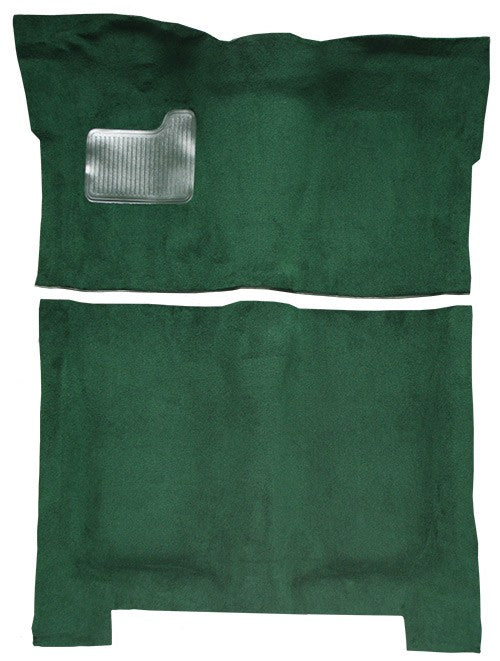
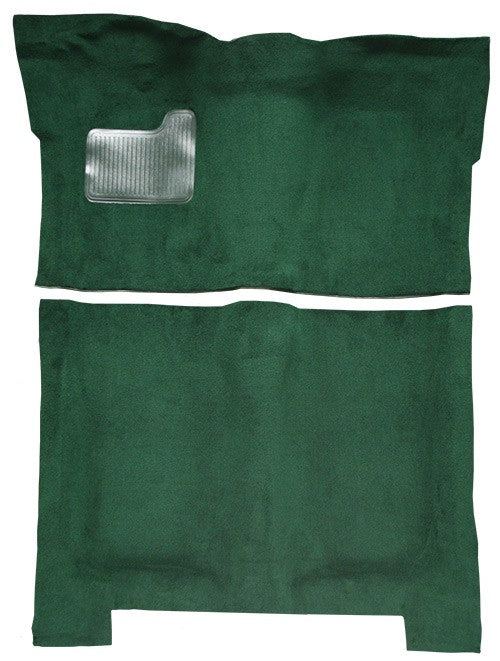
1977 Chevrolet Chevelle Malibu 4DR Cutpile Molded Replacement Carpet Kit - 1-Piece
Regular price From $243.31Regular priceUnit price per$304.14Sale price From $243.31Sale -
1977 Chevrolet Chevelle Malibu 2DR Cutpile Molded Replacement Carpet Kit - 1-Piece
Regular price From $235.60Regular priceUnit price per$294.50Sale price From $235.60Sale -
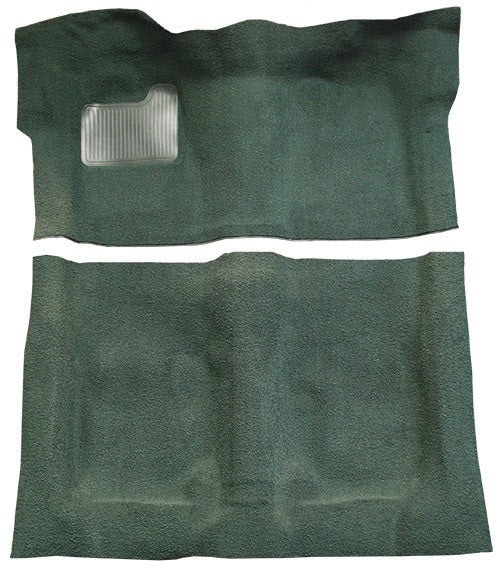
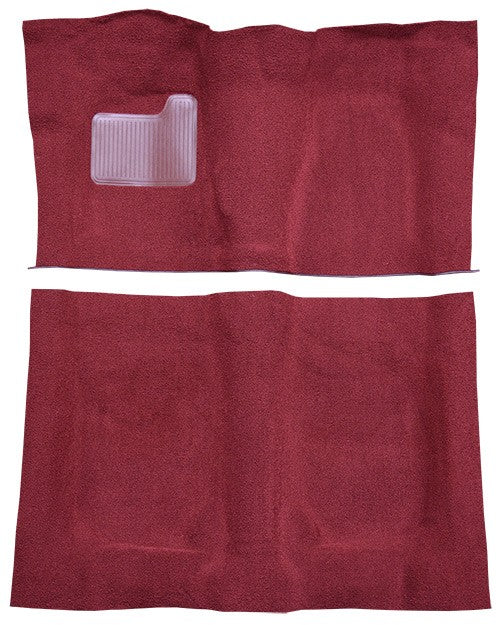
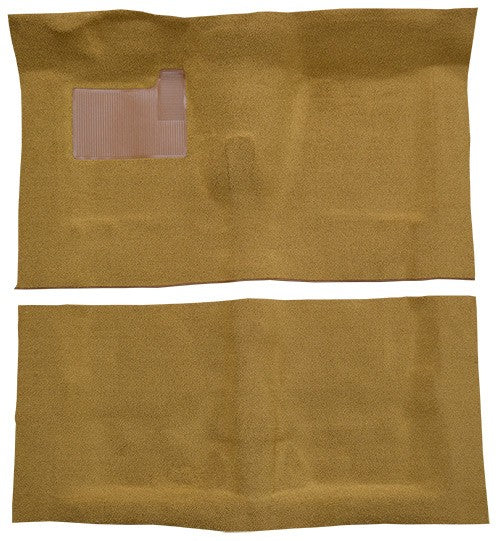
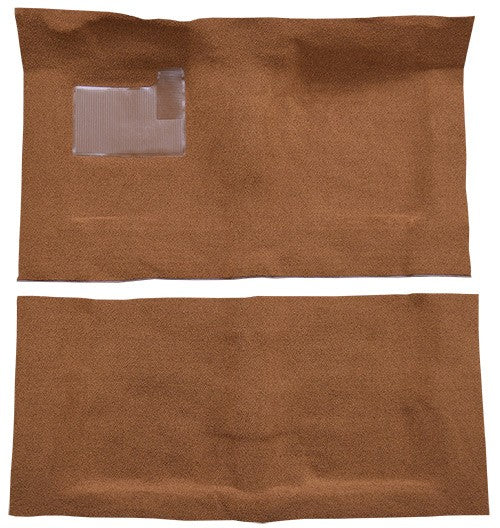
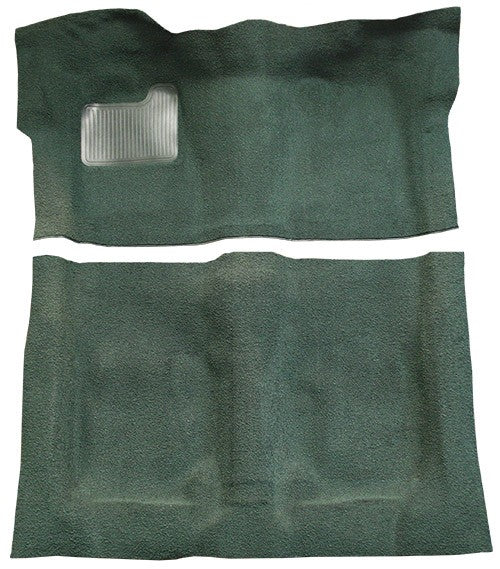
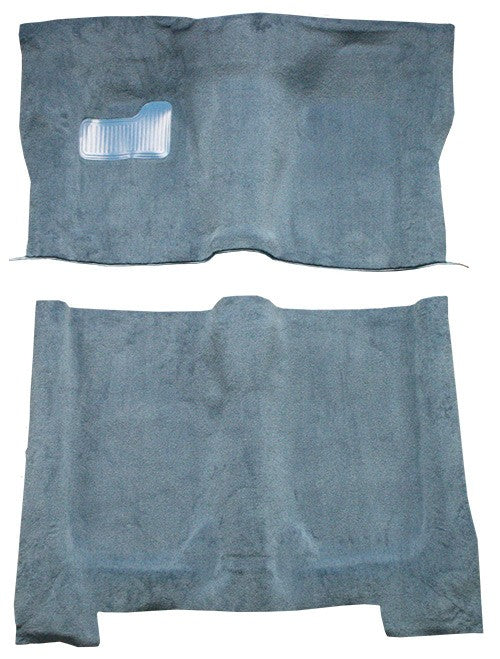
1968-1972 Chevrolet Chevelle 4DR Loop Molded Replacement Carpet Kit - 2-Piece
Regular price From $258.76Regular priceUnit price per$323.45Sale price From $258.76Sale -
1968-1972 Chevy Chevelle 2DR 4spd Bucket Seat w/o Console Loop Molded Replacement Carpet Kit - 2-Piece
Regular price From $251.03Regular priceUnit price per$313.79Sale price From $251.03Sale -
1968-1972 Chevrolet Chevelle 2DR Auto Loop Molded Replacement Carpet Kit - 2-Piece
Regular price From $251.03Regular priceUnit price per$313.79Sale price From $251.03Sale -
1968-1972 Chevrolet Chevelle Malibu 4DR Auto Loop Molded Replacement Carpet Kit - 2-Piece
Regular price From $258.76Regular priceUnit price per$323.45Sale price From $258.76Sale -
1968-1972 Chevy Chevelle Malibu 2DR 4spd Bucket Seat w/o Console Loop Replacement Carpet Kit - 2-Piece
Regular price From $251.03Regular priceUnit price per$313.79Sale price From $251.03Sale -
1968-1972 Chevrolet Chevelle Malibu 2DR Auto Loop Molded Replacement Carpet Kit - 2-Piece
Regular price From $251.03Regular priceUnit price per$313.79Sale price From $251.03Sale -
1970-1972 Chevrolet Chevelle Greenbrier 4DR Auto Loop Molded Replacement Carpet Kit - 2-Piece
Regular price From $258.76Regular priceUnit price per$323.45Sale price From $258.76Sale -
1973 Chevrolet Chevelle Malibu 2DR Auto Loop Molded Replacement Carpet Kit - 2-Piece
Regular price From $258.76Regular priceUnit price per$323.45Sale price From $258.76Sale -
1973 Chevrolet Chevelle Laguna 2DR Auto Loop Molded Replacement Carpet Kit - 2-Piece
Regular price From $258.76Regular priceUnit price per$323.45Sale price From $258.76Sale -
1973 Chevrolet Chevelle 2DR Auto Loop Molded Replacement Carpet Kit - 2-Piece
Regular price From $258.76Regular priceUnit price per$323.45Sale price From $258.76Sale -
1973 Chevrolet Chevelle Malibu 4DR Auto Loop Molded Replacement Carpet Kit - 2-Piece
Regular price From $258.76Regular priceUnit price per$323.45Sale price From $258.76Sale -
1973 Chevrolet Chevelle 2DR 4spd Loop Molded Replacement Carpet Kit - 2-Piece
Regular price From $258.76Regular priceUnit price per$323.45Sale price From $258.76Sale -
1968-1972 Chevy Chevelle Malibu 2DR 4spd Bucket Seat w/ Console Loop Replacement Carpet Kit - 2-Piece
Regular price From $251.03Regular priceUnit price per$313.79Sale price From $251.03Sale -


1968-1972 Chevrolet Chevelle 2DR 4spd with Console Loop Molded Replacement Carpet Kit - 2-Piece
Regular price From $251.03Regular priceUnit price per$313.79Sale price From $251.03Sale -
1968-1972 Chevy Chevelle 2DR 4spd Bench Seat w/o 4sp Hump Loop Molded Replacement Carpet Kit - 2-Piece
Regular price From $251.03Regular priceUnit price per$313.79Sale price From $251.03Sale -
1973 Chevrolet Chevelle 4DR Auto Loop Molded Replacement Carpet Kit - 2-Piece
Regular price From $258.76Regular priceUnit price per$323.45Sale price From $258.76Sale -
1973 Chevrolet Chevelle Laguna 4DR Auto Loop Molded Replacement Carpet Kit - 2-Piece
Regular price From $258.76Regular priceUnit price per$323.45Sale price From $258.76Sale -


1974-1975 Chevrolet Chevelle Laguna Type S-3 2DR Cutpile Molded Replacement Carpet Kit - 2-Piece
Regular price From $243.31Regular priceUnit price per$304.14Sale price From $243.31Sale -
1974-1975 Chevrolet Chevelle Malibu 4DR Cutpile Molded Replacement Carpet Kit - 2-Piece
Regular price From $243.31Regular priceUnit price per$304.14Sale price From $243.31Sale -
1974 Chevrolet Chevelle Malibu 2DR Auto Cutpile Molded Replacement Carpet Kit - 2-Piece
Regular price From $243.31Regular priceUnit price per$304.14Sale price From $243.31Sale -
1976 Chevrolet Chevelle Laguna Type S-3 2DR Cutpile Molded Replacement Carpet Kit - 2-Piece
Regular price From $243.31Regular priceUnit price per$304.14Sale price From $243.31Sale -
1976 Chevrolet Chevelle Malibu 4DR Cutpile Molded Replacement Carpet Kit - 2-Piece
Regular price From $243.31Regular priceUnit price per$304.14Sale price From $243.31Sale


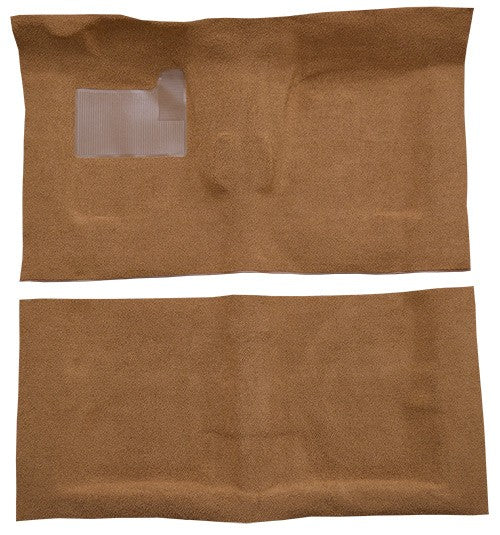

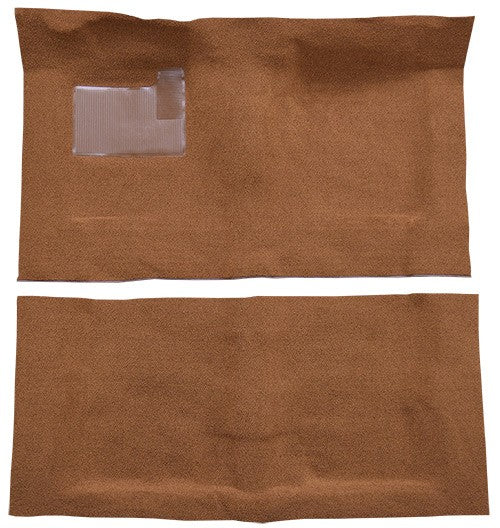

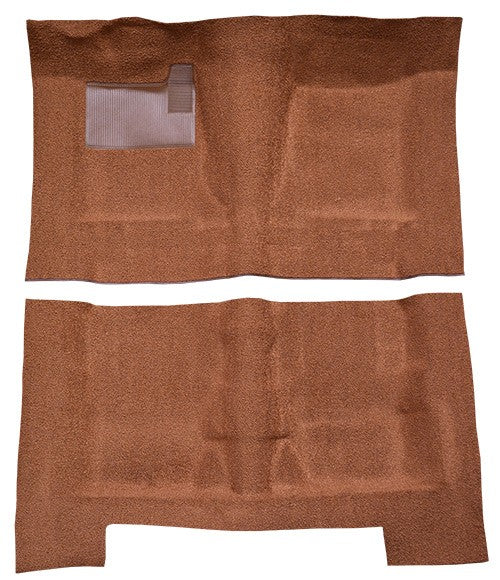


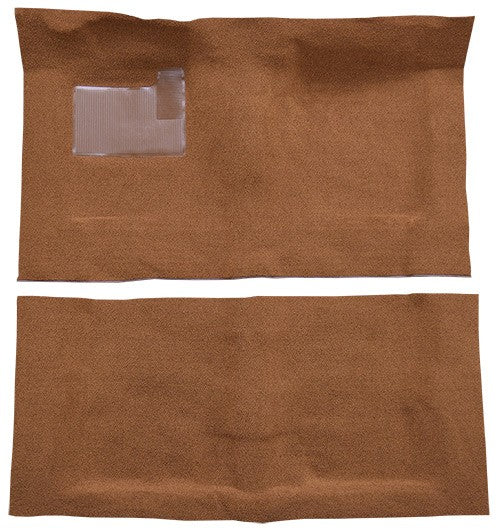













Chevelle Replacement Carpet Kits: Seat, Console, and Transmission Choices
Choosing Chevelle carpet is easier when the search describes the car’s interior as precisely as its model year. A two-door automatic, a four-speed car with bucket seats and no console, and a bench-seat car with a specified transmission hump may all appear in the same collection. They are different application questions. Establish the configuration first, then choose the material and color that bring the cabin together.
ACC’s catalog gives those details a practical role in the product names. At Radiant Speed Works, use them to compare the exact kit with the car you are restoring. This guide covers the main distinctions across Chevelle, Malibu, wagon, and Laguna-related applications in the catalog. It helps organize a floor replacement around the actual seats, console, shifter arrangement, and coverage rather than a general idea of one carpet kit for every Chevelle.
Start with the current interior configuration
Record the year, two-door or four-door body, model designation, transmission, seating, and console arrangement. Then add anything changed during previous work. A bucket-seat conversion, added console, or changed transmission can make the installed floor arrangement different from the car’s original specification. The carpet should be assessed against what will remain in the completed interior.
Keep the product’s full application wording when you compare choices. The phrase 1968–1972 Chevelle four-speed bucket seat without console tells you more than a saved image labeled Chevelle carpet. That specificity helps you and an installer discuss the same configuration. It also makes it easier to return to the correct product after comparing several similar-looking packages.
Define the coverage before selecting a finish. Main passenger-floor carpet is different from removable mats, trunk material, or other interior sections. Check the individual listing’s included pieces and description. A two-piece package can supply the intended floor application without automatically including every carpeted surface elsewhere in the car. The order should follow a clear inventory of what you want replaced.
1964–1967 Chevelle two-door automatic carpet
For 1964–1967 Chevelles, ACC base application 2434 is identified as a two-door automatic Loop molded carpet set supplied in two pieces. Its fitment note states that the application includes the relevant two-door wagon configuration. That note belongs to this product; it should not be transferred to every other two-door Chevelle carpet listing without checking the actual description.
An automatic application provides a defined starting point for a car retaining that arrangement. If a transmission or shifter conversion has been made, describe it before choosing. A general year-and-body match cannot settle every change around the floor. Useful photographs of the current installation can help explain the question without relying on the old carpet as the only evidence.
Once the application is confirmed, consider the finish with the rest of the cabin. Seats, lower trim, and retained carpet may have aged differently. Decide whether the new floor should blend with those surfaces or establish the direction for a broader restoration. Choose the material and shade in that context so the flooring supports the interior rather than becoming an isolated purchase.
Early four-speed carpet with bucket seats and no console
The 1964–1967 catalog includes a two-door four-speed bucket-seat application explicitly described without a console. That is a useful distinction when shopping for early Chevelle manual-transmission carpet. Preserve the seating and console details in the comparison instead of assuming that every four-speed kit differs only in color or material.
If the car has received aftermarket seats, record the installed mounts and any relevant floor changes. A listing based on a factory arrangement may need additional confirmation for a modified cabin. Explain the configuration you intend to use after the restoration, especially if the car is currently apart. Carpet chosen for a temporary layout can complicate the later installation.
Read the product and installation information before making openings or trimming. A molded pattern should still be positioned carefully and assessed around the actual components. If something appears inconsistent with the ordered application, pause before altering it. A specific question about the supplied kit is easier to review while it remains in its original state.
1964–1967 bench-seat four-speed applications
The early catalog also identifies a two-door four-speed bench-seat application under ACC base number 24560. Its presence beside the bucket-seat description is a reason to verify the installed seating, not to treat seat wording as a minor decoration. Compare the exact product with the vehicle’s floor arrangement and the interior planned for completion.
Bench-to-bucket conversions can involve more than a different seat cushion. A new console or changed mounting arrangement may introduce questions that the original vehicle description does not capture. Keep those details with the product reference when asking for help. The objective is a known configuration before the finish is selected, rather than a fitment assumption based on a familiar model year.
For a driver-focused restoration, a simple coordinated floor can connect retained seats and new trim effectively. For a more extensive rebuild, settle the major interior choices first. The carpet can then be selected as part of that plan. In both cases, the correct application creates the foundation for a finish that looks intentional when the doors are open.
1968–1972 Chevelle automatic Loop carpet
The 1968–1972 two-door automatic catalog application appears under ACC base number 2131 as a two-piece Loop molded carpet kit. Use that complete description when comparing products. A broad search for 1970 Chevelle carpet can return manual-transmission, console, seating, and four-door alternatives that need to be separated before choosing a finish.
Compare the listed coverage with the work planned for the car. If the main floor is the only worn area, a correctly selected flooring package may complete the immediate project. If the cabin is being rebuilt, review supporting materials and adjoining surfaces at the same time. Do not assume removable mats or insulation are included simply because they can be used with the new floor.
Treat the current RSW configuration as the orderable product. The wider ACC catalog contains material and backing choices that may differ from the menu on a specific listing. If a required option is absent, ask about that application before ordering. Clear selections are more reliable than expecting a note to change a product into another construction.
Four-speed Chevelle carpet with a console
A 1968–1972 two-door four-speed application with console is listed separately under ACC base number 17545. Malibu-related entries also identify a bucket-seat, four-speed, with-console configuration. Keep the actual model designation and complete product wording together rather than assuming that console coverage can be inferred from a general photograph.
A console may conceal part of the floor without making the pattern beneath it unimportant. Compare the specified application with the console and shifter arrangement installed in the vehicle. If a custom console is being added, describe its relationship with the floor before choosing the kit. The relevant question is the completed layout, not simply whether a console will be visible in the cabin.
Plan trial placement and fitting with the installer. Keep the instructions for the exact product available and resolve uncertainty before trimming. If the carpet appears to sit incorrectly around the intended arrangement, review application and orientation first. An attractive material choice should follow a confirmed pattern, not become a reason to force a questionable fit.
Four-speed bucket-seat carpet without a console
The 1968–1972 Chevelle catalog includes a two-door four-speed bucket-seat application without console under ACC base number 2132. That description should be compared with the with-console product as a distinct configuration. A shared year range, piece count, and primary material do not erase the application difference named in the title.
If the interior has been assembled from several previous projects, document what is actually installed. Original build information can help establish history, but it may not describe the current seats, mounts, or shifter area. Clear photographs and a written configuration give an installer or support team more useful information than a general request for a four-speed Chevelle set.
This application-specific approach also helps you compare materials sensibly. Once the pattern is established, you can consider available shade and texture without accidentally switching to a different seating or console configuration. Keep the selected product reference with those choices so every part of the order continues to describe the same package.
Bench-seat carpet with or without the four-speed hump
For 1968–1972 bench-seat four-speed cars, the catalog distinguishes an application without the four-speed hump under ACC base number 17303 from one identified with it under number 24983. This is a particularly useful detail for a modified car. Do not select between those descriptions from the model year alone or from a small view of the finished interior.
Inspect the actual floor arrangement and discuss the specified hump wording with the installer if necessary. If a transmission conversion is underway, confirm what will be present when the carpet is fitted. A product ordered before that configuration is settled may be based on the wrong assumption. Keep the relevant product references together so the comparison stays precise.
The goal is to settle the application before any irreversible fitting work. A carpet package should not become a way to discover which configuration the car needs after it has been cut. Establish the intended floor and seating arrangement first, then compare the product’s construction and available finish. That sequence makes the installation plan clearer and the purchase more deliberate.
Four-door Chevelle flooring deserves its own application check
The catalog includes separate four-door applications across several year groups. A two-door listing should not be extended to a four-door car because the carpet color, transmission description, or broad model family appears similar. Use the body wording explicitly stated by the product and read any application note alongside it.
For a practical four-door restoration, inventory the areas you want refreshed and the material you will retain. A sound original interior may benefit from a focused floor replacement, while a larger renovation can call for coordinated trim decisions. Either approach begins with the correct body and year application. Coverage and appearance should then be evaluated as separate decisions.
When sharing a product with another person involved in the project, include the complete title or reference. A photograph of a carpet set rarely conveys the body distinction clearly. Keeping a written application record makes receiving and installation checks easier and reduces the chance that a similar-looking package will be treated as the intended order.
Chevelle Malibu replacement carpet applications
Malibu entries appear throughout the catalog, including early automatic and four-speed products and later body-specific packages. For 1968–1972 examples, console and bucket-seat wording distinguishes manual-transmission choices. Search with the Malibu designation and the actual configuration instead of assuming every related Chevelle product has identical application details.
The catalog continues through later Malibu applications, with Cutpile descriptions in several 1974–1976 products and one-piece entries identified for 1977 two-door and four-door cars. Preserve those specific year ranges and body distinctions. A general Malibu heading is useful for navigation but cannot establish a single pattern, material, or piece count for every product beneath it.
If you are coordinating new flooring with retained interior parts, compare the material references for the exact listing. A familiar color name can look different across carpet families and under different lighting. Decide what level of matching the project needs before placing the order. The appropriate application and a considered finish work together to create the completed cabin.
Concours, Greenbrier, and Nomad wagon-related listings
Wagon-related Chevelle applications include Concours, Greenbrier, and Nomad wording in specific catalog entries. Concours products distinguish automatic and four-speed applications in relevant year groups. Keep those names and transmission details attached to the product rather than treating a broad wagon search as proof that every package supplies the same floor pattern.
The amount of interior work can differ substantially between a passenger-floor refresh and a broader wagon project. Check the individual product’s supplied coverage and identify any other areas separately. A floor package should not be assumed to include rear load-area material simply because the vehicle is a wagon. The included sections need to match the surfaces you intend to restore.
If seating or rear-area components have changed, document the actual arrangement. A vehicle used for equipment or a custom build may no longer follow the original layout closely. Explain those changes before ordering a factory-application carpet. Photographs and a clear area-by-area plan make the conversation more useful than relying on the wagon name alone.
Laguna and Laguna Type S-3 carpet choices
The catalog separately identifies 1973 Laguna applications and later Laguna Type S-3 products. Some 1973 entries distinguish automatic and four-speed configurations, while later examples use specific Cutpile year ranges. Review the exact model description and years instead of assuming the broader Chevelle family establishes the same carpet across those applications.
These distinctions help a buyer searching for a particular later interior avoid selecting an earlier product on appearance alone. The model name, body, transmission where stated, and material all belong in the comparison. Keep the product reference with that information so the finish you select remains connected to the correct package.
For a project retaining older carpeted sections, think about how new material will meet them. Uneven fading and wear can make a fresh floor more noticeable beside original surfaces. Decide whether a partial refresh meets the goal or whether adjoining work should be planned as well. That appearance decision should complement the application check rather than replace it.
Loop texture, selected colors, and the finished cabin
Many earlier Chevelle catalog applications are described as Loop carpet. Later products can use other material descriptions. Start with the material named by the exact listing and compare its detail images with the interior you are building. Texture influences the way the floor appears under light and how it relates to seats and trim, even when the nominal color seems familiar.
Choose whether the carpet should blend into the existing cabin or establish a planned contrast. A quiet floor color can connect several trim surfaces, while a deliberate darker or lighter choice can change the visual balance. Review those options with actual interior references where possible. A small chart viewed alone cannot show the full relationship with the vehicle.
If a close match matters, ask about appropriate samples or physical references. Screen settings and photography can alter apparent color, and aged carpet can differ from fresh material. Record the selected material and color identification with the order. That information is more useful for later interior work than a screenshot whose appearance varies between displays.
Padding, backing, and supporting materials
Review the supplied padding and backing as individual specifications. Some source applications describe attached padding and optional mass backing, while supporting insulation can be a separate product or selected addition. Confirm what the actual RSW configuration includes before building those features into the installation plan. A flooring package does not automatically supply every layer needed for a wider project.
Coordinate extra material with the installer and supplied instructions. Thickness beneath the carpet can affect how trim and components sit, so more layers are not automatically an improvement. Establish the intended construction and any separate insulation before the car is reassembled. That creates a clearer order and a more predictable fitting process.
Inspect the floor beneath the old carpet while it is accessible. Moisture, damage, or an unresolved installation problem should be addressed before new material is placed over it. Fresh carpet improves the visible surface but does not repair the reason the old flooring deteriorated. A sound, dry foundation supports the finish you are investing in.
Use a project sheet to keep similar applications separate
Save the selected product reference with a short description of the vehicle and the intended work. Include the seats, console, transmission, and any relevant hump detail. Add the selected material and color only after the application is settled. That sheet gives everyone involved in the restoration one clear configuration to review and prevents a similar image from becoming a substitute for the actual product.
Photograph the relevant floor areas before disassembly and keep those images with the sheet. If the car was already apart when the project began, identify missing components and unresolved configuration questions. Those details can otherwise be lost when seats, trim, and carpet are stored separately. A useful record makes a later fitment discussion more specific and helps explain how the intended installation differs from a factory layout.
Review the sheet when the carpet arrives. Compare the supplied application, finish, and included pieces with the order before altering anything. A careful receiving check is a small step that protects the work already invested in choosing the kit and gives the installer a defined starting point for the finished Chevelle interior.
Chevelle carpet questions
Which details matter for a four-speed carpet order?
Include seating, console arrangement, and any hump wording specified by the listing, along with year and body. The catalog separates several manual-transmission configurations. If the car has been converted, describe the installed floor and shifter arrangement. Use the actual product application rather than treating every four-speed package as equivalent.
Does a two-piece kit include removable floor mats?
Do not assume so. The piece count describes the supplied carpet package. Removable mats are a separate product with their own coverage and application. If you want a coordinated set, review both purchases independently and compare the material finishes available for each. Matching appearance does not replace either fitment check.
Can a Malibu or wagon use any Chevelle carpet kit?
Choose the model and body configuration stated by the product. Specific Malibu and wagon-related entries appear in the catalog with their own application details. A shared vehicle family is a starting point for navigation, not a universal compatibility statement. Ask about the particular listing if the wording does not clearly describe the car.
What should happen before installation?
Confirm the ordered application and finish, identify the supplied pieces, review the instructions, and trial place the carpet before making irreversible changes. If something appears inconsistent, keep the packaging and explain the specific issue with photographs and the product reference. Clear application and coverage decisions help the flooring become a planned finishing step in the restoration.
Shop related: Chevrolet Chevelle floor mats · Chevrolet Chevelle trunk mats · All Chevrolet carpet kits · Chevrolet sound deadening and insulation