
-

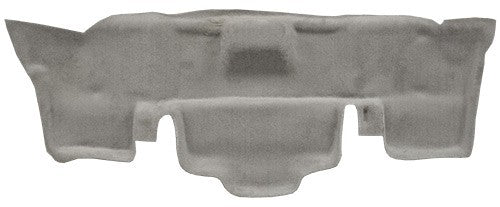
2001-2004 Chevy Corvette Conv Tail Light Panel Cover Cutpile Molded Replacement Carpet Kit - 1-Piece
Regular price $205.15Regular priceUnit price per$256.44Sale price $205.15Sale -
1998-2000 Chevy Corvette Conv Tail Light Panel Covers Cutpile Molded Replacement Carpet Kit - 3-Piece
Regular price $220.59Regular priceUnit price per$275.74Sale price $220.59Sale -
1997-2004 Chevy Corvette Coupe Tail Light Panel Covers Cutpile Molded Replacement Carpet Kit - 3-Piece
Regular price $220.59Regular priceUnit price per$275.74Sale price $220.59Sale -
1998-2000 Chevy Corvette Conv Tail Light Panel Covers Truvette Molded Replacement Carpet Kit - 3-Piece
Regular price $259.15Regular priceUnit price per$323.94Sale price $259.15Sale -
2001-2004 Chevy Corvette Conv Tail Light Panel Cover Truvette Molded Replacement Carpet Kit - 1-Piece
Regular price $259.15Regular priceUnit price per$323.94Sale price $259.15Sale -


1997-2004 Chevy Corvette Coupe Tail Light Panel Covers Truvette Replacement Carpet Kit - 3-Piece
Regular price $259.15Regular priceUnit price per$323.94Sale price $259.15Sale -

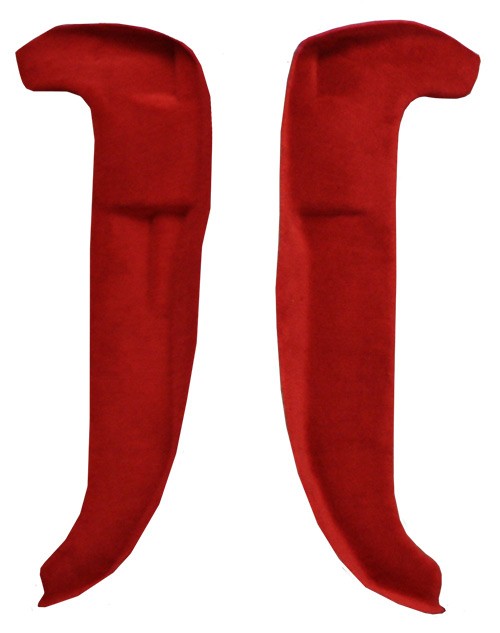
1990-1996 Chevrolet Corvette Door Sills w/o Plastic Cutpile Molded Replacement Carpet Kit - 2-Piece
Regular price $172.34Regular priceUnit price per$215.43Sale price $172.34Sale -
1963-1964 Chevrolet Corvette Complete Jute Pad Kit - 5-Piece
Regular price $95.21Regular priceUnit price per$119.02Sale price $95.21Sale -
1982 Chevrolet Corvette Collector's Edition Door Panel 82 Vet Cutpile Replacement Carpet Kit - 1-Piece
Regular price $81.44Regular priceUnit price per$101.80Sale price $81.44Sale -


1988-1989 Chevrolet Corvette Door Sills w/o Plastic Cutpile Molded Replacement Carpet Kit - 2-Piece
Regular price $133.78Regular priceUnit price per$167.23Sale price $133.78Sale -
1968-1977 Chevrolet Corvette Complete Jute Pad Kit - 8-Piece
Regular price $95.21Regular priceUnit price per$119.02Sale price $95.21Sale -
1978-1982 Chevrolet Corvette Door Panel Material Cutpile Replacement Carpet Kit - 1-Piece
Regular price $73.71Regular priceUnit price per$92.14Sale price $73.71Sale -
1982 C3 Corvette Complete Carpet Set
Regular price From $463.99Regular priceUnit price per -
1985 C4 Corvette Complete Carpet Kit
Regular price From $499.81Regular priceUnit price per -
1984 C4 Corvette Complete Carpet Kit
Regular price From $452.81Regular priceUnit price per -
1981 C3 Corvette Complete Carpet Set
Regular price From $407.82Regular priceUnit price per -
1980 C3 Chevrolet Corvette Complete Cutpile Carpet
Regular price From $400.92Regular priceUnit price per -
1979 C3 Chevrolet Corvette Complete Cutpile Carpet
Regular price From $459.43Regular priceUnit price per -
1967 C2 Corvette Complete Carpet Set Loop
Regular price $364.68Regular priceUnit price per -
1966 C2 Corvette Complete Carpet Set
Regular price $347.75Regular priceUnit price per -
1977 C3 Chevrolet Corvette Complete Carpet with Pad Cutpile
Regular price $326.69Regular priceUnit price per$375.69Sale price $326.69Sale -
1960 C1 Corvette Complete Carpet Set Daytona Loop
Regular price $255.32Regular priceUnit price per$293.62Sale price $255.32Sale -
1959 C1 Corvette Complete Carpet Set Daytona Loop
Regular price $255.32Regular priceUnit price per$293.62Sale price $255.32Sale -
1960 C1 Corvette Complete Carpet Set Foam Tuxedo Loop
Regular price $285.39Regular priceUnit price per$328.20Sale price $285.39Sale


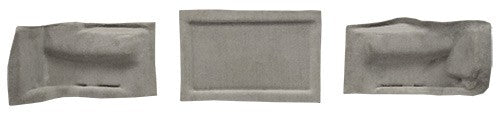


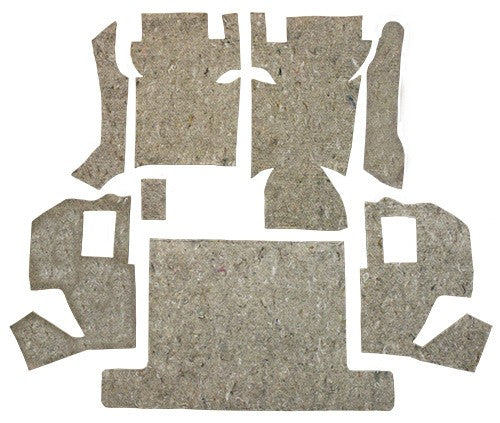




Shop Corvette Carpet by Generation
Corvette Replacement Carpet Kits: Match the Year, Body Style, and Coverage
A Corvette carpet project begins with a surprisingly useful question: which part of the interior are you actually replacing? A worn front footwell, a faded rear compartment, and a complete cabin restoration call for different products. Add the model year, coupe or convertible body, material, and backing choice, and a broad search for Corvette carpet becomes a much more precise buying decision.
ACC replacement carpet gives you application-specific ways to restore those surfaces. The right kit can bring visual consistency back to a cabin where the seats and trim still look good, or provide the foundation for a larger renovation. At Radiant Speed Works, begin with the full application on the individual listing. This guide helps explain the details that separate an early Corvette carpet set from a later molded front section, and a complete kit from a package covering only one area.
Build your search around the exact Corvette
Record the vehicle’s model year, body style, and the area you want to replace before comparing colors. Then note the details named by the product: padding, material, console strips, kick panels, door panels, compartment doors, or other included sections. Each extra phrase helps narrow the intended application. A title that looks long in a search result can be useful precisely because it identifies those differences.
Generation names such as C1, C2, C3, C4, C5, and C6 help organize a restoration, but they do not replace the stated years. A category may contain several carpet patterns within one generation. Keep the exact year range attached to the product when comparing choices. Do not carry a fitment claim from one listing to another simply because both products appear under the same Corvette heading.
Body style is another independent check. A front section may list coupe and convertible applications together, while a rear section identifies one body specifically. Read that distinction literally. Shared front coverage does not establish interchangeable rear coverage. If the interior has been modified, explain the changes when seeking help instead of assuming a factory-pattern kit will accommodate them without additional work.
Early Corvette carpet: texture and included pieces matter
The early Corvette catalog illustrates why material names deserve attention. Applications for 1953–1955 include five-piece sets identified in Loop and Grospoint, while a 1956–1957 complete set is described in Daytona. Later early-car listings include Loop and Tuxedo descriptions. These are separate product specifications, not interchangeable labels for one generic carpet appearance. Compare the material actually named for the kit you are considering.
For a restoration that aims to preserve a particular interior character, texture can matter as much as color. Look at material detail images and compare them with the surfaces you plan to retain. A dark shade in one carpet family may look different from a similarly named shade in another. If a close visual match is important, work from suitable physical references rather than expecting a screen image to settle the decision.
Also keep construction and padding separate in your notes. Early listings may describe cut-and-sewn construction, while other applications are molded. A word such as Foam in a product title should be read with the detailed specification; it is not a substitute for checking the padding field. Review what the package supplies before deciding what additional materials your installer needs.
1963 Corvette carpet kits and special application details
The 1963 listings show how specific a Corvette carpet application can become. The catalog separates coupe and roadster packages, front and rear coverage, tool-box-cut wording, and applications identified with a 36-gallon tank. Some complete sets are listed as nineteen pieces and others as twenty-one. That does not make one universally more complete: each count belongs to the configuration described by that product.
If you are searching for a 1963 Corvette coupe carpet kit, include the relevant interior configuration in your comparison. A rear package described for a particular tank arrangement should not be treated as a substitute for another rear set because the model year is the same. Keep the application wording, included pieces, and photographs together when explaining what you need.
These details are particularly valuable when the car has been restored previously. Existing carpet may not be original, and loose pieces may no longer provide a reliable inventory of what should be present. Identify the vehicle’s actual arrangement before using old carpet as your only template. Clear photographs and the product reference can help resolve questions that a general request for midyear Corvette carpet leaves unanswered.
C3 Corvette front carpet versus complete interior coverage
For later Corvette applications, the distinction between front-only and expanded front coverage becomes easy to see. The catalog includes 1978–1980 front cutpile packages described as two pieces, alongside front sets that include console strips and kick panels. Another front configuration also identifies door panels. Those titles describe different scopes of work, even when their year range and primary carpet material match.
Plan around the surfaces that need attention. If the main floor sections are worn but surrounding trim remains sound, a limited package may suit the project. If several adjoining carpeted surfaces have faded differently, expanded coverage may provide a more consistent result. Check the actual included-piece description before ordering. A word such as front does not automatically promise every carpeted surface forward of the seats.
Complete-kit wording needs the same care. A 1978 package described without door panels differs from another package that names compartment doors. Read the exclusions as closely as the inclusions. The objective is a clear list of covered surfaces, not simply choosing the largest number on the page. That makes it easier to compare the kit with the work planned for your particular interior.
1978 Corvette Pace Car carpet applications
The catalog separately identifies 1978 Indianapolis 500 Pace Car carpet applications, including complete, front, rear, and expanded front packages. If that is the vehicle you are restoring, begin with those specific descriptions rather than assuming a general 1978 listing covers every detail of the interior you want to reproduce. Use the exact listing to confirm the material, coverage, and available finish.
A special-edition name is useful search information, but it still does not settle the entire order. Compare the pieces you need and the surfaces included in each package. A front two-piece set and a larger front package serve different projects. If an existing interior has been changed, decide whether you are returning it to a particular specification or coordinating with what is already installed.
Keep appearance decisions grounded in the actual product information. A photograph of a complete finished cabin may help communicate the overall goal, but it cannot establish every included carpet panel. Review the supplied-piece list and any application notes before combining products. This avoids buying overlapping sections or discovering late in the project that an adjacent surface still needs a separate part.
1984–1987 Corvette coupe carpet: front, rear, and complete sets
For a 1984–1987 Corvette coupe, the catalog applications distinguish a twelve-piece complete cutpile package, an eight-piece front set, and a four-piece rear set. They also identify versions with pad and versions described with mass backing. These examples show how coverage and construction combine to create several legitimate choices for one vehicle range. Begin with the area of work, then compare the material and backing details.
If the rear carpet remains presentable, replacing only the front may be practical. If you want a consistent finish throughout the coupe interior, compare the complete package before ordering front and rear sections separately. Check whether the pieces, material, and finish align with your plan. Do not assume two packages from different listings will match simply because they cover complementary areas.
The exact vehicle and product wording still control the application. A coupe rear set should not be extended to a convertible on the strength of a shared model year. Likewise, a product described with padding should not be treated as identical to one described with mass backing. Read the detailed specification so you know what is supplied, what is optional, and what needs to be planned separately.
Why 1988–1989 Corvette carpet needs its own comparison
The 1988–1989 coupe listings describe a fourteen-piece complete package and a ten-piece front package, with separate four-piece rear coverage. That differs from the counts used in the earlier coupe examples. The catalog also identifies an eighteen-piece complete convertible application for these years. These distinctions are a strong reason to search by the complete year range and body style.
Use the product’s included sections to build your project list. A change in piece count can reflect a different arrangement or scope; it should not be interpreted as a quality ranking. Compare the package against the interior areas you intend to restore. If you need door-sill carpet or another small section, verify whether it is included rather than assuming a complete floor package supplies every nearby trim part.
For a cabin refreshed in stages, consider how new material will sit beside retained carpet. Age and sunlight can change an older interior’s appearance. A nominally matching color may still show a visible difference when installed next to worn material. Decide whether a partial refresh meets your goals or whether coordinated coverage across more surfaces would produce the result you want.
C5 Corvette carpet: 1997–2004 front and rear applications
The 1997–2004 Corvette catalog includes a three-piece front set described for coupe and convertible applications, a five-piece coupe rear set, and an eight-piece coupe package. Material descriptions include Cutpile and Truvette, with padding or mass-backing wording depending on the listing. Keep those details attached to the product when comparing C5 Corvette replacement carpet.
The shared coupe/convertible wording on a front set should be read only for that set. It does not establish that a coupe rear package fits a convertible. This is an easy distinction to lose when browsing a collection of similar images, so put body style near the top of your checklist. Confirm the individual application before focusing on color or deciding which sections to combine.
Other listings identify tail-light-panel covers as separate pieces. Treat those as their own coverage question. If your project includes rear trim beyond the main flooring, check each required area explicitly. A clear inventory helps you choose between a front refresh, a rear-area repair, and a broader cabin project without relying on an undefined idea of a complete interior kit.
C6 Corvette carpet: 2005–2013 coupe and convertible sections
For 2005–2013 Corvettes, the catalog separates coupe and convertible front-with-riser applications and identifies rear packages for each body. Several are described as three-piece sets, with Cutpile or Truvette and different padding or backing specifications. Search with the body style and coverage together, such as a front-with-riser application, instead of assuming all C6 carpet packages address the same surfaces.
If you are replacing only a damaged rear section, first establish which body-specific listing applies. Then review the material and finish against the carpet that remains. If a close match cannot be established confidently, consider the visual expectations for the completed interior before ordering. A limited repair and a coordinated restoration can call for different decisions even when both start with one worn area.
Separate tail-light-panel-cover listings also appear for these years. Their presence reinforces the need to check coverage panel by panel. Do not let a familiar generation name replace that inventory. With the correct application identified, you can compare the actual construction, finish, and included pieces on the RSW listing and make a more informed purchase.
Molded carpet, cut-and-sewn construction, and installation planning
Construction tells you something about how a carpet kit is formed for its application. Molded listings describe carpet shaped around the intended floor contours, while cut-and-sewn packages use their specified pattern and assembly. Follow the instructions supplied for the actual product. A vehicle-specific application does not mean every opening, edge, and attachment point should be assumed ready without checking.
Plan a careful trial placement before making irreversible cuts or applying adhesive. Compare the supplied pieces with their intended locations and identify any application-specific details. If a section appears wrong, pause and review the vehicle, package, and orientation while the carpet remains assessable in its supplied state. An installer can evaluate the fit question more effectively before surrounding trim is reassembled.
Do not use a category guide as a substitute for the kit’s installation directions. Different materials and configurations can need different handling. Arrange the work so the vehicle, supplied components, and instructions can be checked together. That preparation is especially valuable when several small carpet sections sit beside console trim, storage compartments, or other interior pieces.
Padding, mass backing, and separate insulation
Read padding and backing as separate specifications. A title may identify a set with pad, without pad, or with mass backing. Some listings offer a backing choice, while others name it as part of the product. Choose according to the exact RSW configuration rather than importing an option from another application. What is supplied should be clear before the flooring is removed.
ACC describes mass backing in relevant catalog applications as an EVA layer intended to provide a heat and sound barrier. That description does not establish a measured noise reduction for your Corvette. Nor should it be treated as proof that a separate insulation package is included. Compare the documented construction and any selected additions on the individual product before building them into your project expectations.
Supporting materials also affect the space beneath the carpet. Additional thickness can change how surrounding parts fit, so coordinate any insulation plan with the product instructions and installer. Avoid assuming that more layers automatically improve the finished result. The objective is a compatible installation with the intended coverage, not simply the greatest amount of material under every surface.
Choosing Corvette carpet color and texture together
Look at the seats, console, door trim, and any carpet you plan to retain under consistent lighting. Decide which surfaces set the direction for the cabin. A restoration may call for a particular material character, while a personal interior refresh may emphasize a coordinated appearance. Establish that goal before comparing similar color names across different carpet families.
Photographs and display settings can alter apparent color. Use the available charts to narrow a choice, then ask about appropriate physical color references when an exact match matters. Keep the carpet material and color code together in your notes. A shade name without its material context may not provide enough information for a later comparison or an order question.
Keep selectable upgrades specific to the product. The wider ACC catalog contains options that may not be offered on every RSW listing. Confirm the actual configuration rather than assuming that another carpet family, custom finish, or backing can be requested through an order note. Clear selections help the finished carpet match the project you planned.
Make a panel inventory before ordering Corvette carpet
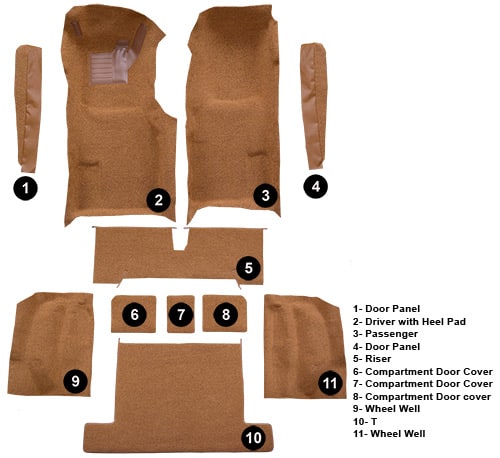
An inventory can turn a complicated restoration into a series of clear choices. List the front floor, rear area, console-adjacent strips, kick panels, door-related sections, storage covers, and any other carpeted surface you intend to address. Mark each item as retained, replaced, or still under review. Then compare that list with the included-piece description of the application you are considering. This gives the kit a defined job in the project.
For example, a 1978–1980 front package that names console strips and kick panels addresses a different scope from the two-piece front listing. Likewise, a 1997–2004 coupe rear package should be checked independently from a separately listed tail-light-panel-cover set. Those examples are useful prompts for reviewing the interior, not instructions to add every available product. Choose the pieces that match the work you actually need.
Before disassembly, photograph the areas that will be covered and the way adjoining trim fits. Keep labels and notes with removed components so an installer can compare the original arrangement with the supplied carpet. If the car has already been taken apart, organize the existing pieces by location rather than assuming a loose pile represents a complete original set. Missing or previously substituted sections can otherwise confuse the comparison.
Review the inventory again when the new carpet arrives. Confirm the ordered application, finish, construction, and supplied pieces before making changes. Resolve discrepancies while the product can still be examined in its original state. A short, careful receiving check protects the planning work and helps the installation proceed with fewer unanswered coverage questions.
Corvette replacement carpet questions
Does a complete carpet kit include every interior panel?
Read the included sections and exclusions on the individual listing. Complete coverage is defined by that application and package. Door panels, console strips, compartment doors, and small trim sections may be identified differently across products. Build a list of the surfaces you need and compare it with the supplied pieces before ordering.
Can I use a coupe rear carpet set in a convertible?
Only order a product whose application explicitly includes your body style. Some front sets name coupe and convertible together, while rear packages identify them separately. Do not extend the fitment of a shared front product to another section. If the listing leaves uncertainty, confirm the exact application before purchase.
Should I replace the front carpet or the whole cabin?
Base that decision on condition and the appearance you want. A front-only package can address localized wear, while broader coverage may help when retained carpet is faded or mismatched. Compare the specified pieces and material against your project. Replacing more sections is useful only when those sections belong in your plan.
Are removable Corvette floor mats included?
Do not assume so. Replacement carpet and removable floor mats are different products. A flooring package supplies the sections described in its listing; a mat set covers its own stated positions. Review both applications separately if you want a coordinated result, and confirm that the materials and selected finishes suit the same interior.
What details should I provide for application help?
Send the model year, coupe or convertible body, product reference, required coverage, and any relevant interior modifications. For specialized applications, include the details named in the listing, such as tool-box or tank configuration. Clear photographs can support the discussion. Those specifics make it easier to identify the right starting point for your Corvette carpet project.
Shop related: Chevrolet Corvette sound deadening and insulation · All Chevrolet carpet kits